
Many adults in Canada deal with persistent skin breakouts well past their teenage years. This modern epidemic of hormonal acne in adults often leads to significant emotional distress and a sense of helplessness. Conventional approaches frequently focus on the surface, yet the skin is actually a vital organ of elimination. When internal systems are taxed, the skin often reflects that internal struggle.
Naturopathic medicine views these skin issues as a signal from the body rather than just a surface flaw. The objective is to move away from temporary spot treatments and instead identify the internal drivers of inflammation and hormonal dysregulation. This internal shift helps restore long-term skin health and mental well-being.
Is It Really Hormonal? How to Identify the Signs
Determining if your skin concerns stem from internal shifts is the first step toward relief. Identifying hormonal acne symptoms requires looking at patterns, timing, and specific locations on the face and body. According to the Canadian Dermatology Association, acne affects nearly 5 million Canadians, and a large portion of these cases involve adult women dealing with cyclical fluctuations.
- The Chin and Jawline Distribution
Breakouts that cluster primarily around the lower third of the face are a classic sign. This “U-zone” is highly sensitive to endocrine shifts. When these areas remain congested while the forehead stays clear, it often points toward an internal hormone imbalance affecting skin health. - Monthly Cyclical Patterns
If your skin clears up for two weeks and then flares up predictably, it is likely linked to your menstrual cycle. Most women notice a surge in deep, painful bumps during the luteal phase. Tracking these hormonal breakout triggers helps confirm the link between your cycle and skin. - The Presence of Deep Cysts
Unlike small whiteheads, hormonal issues often present as deep, tender nodules that may never come to a head. These lesions stay under the surface for weeks and cause physical discomfort. This specific type of inflammation is a hallmark of androgen-driven skin issues rather than simple hygiene. - Persistent Adult Onset
Developing acne for the first time in your 20s, 30s, or 40s is rarely about how you wash your face. This late-stage development suggests a shift in internal chemistry. Recognizing adult female acne causes is vital because the skin of an adult requires different care than teenage skin. - Oily Skin and Scalp Changes
Excessive sebum production that makes the face look shiny within hours of washing is a major clue. You might also notice your hair getting oily faster than usual. These concurrent shifts indicate that your oil glands are overreacting to internal chemical signals and fluctuating hormone levels. - History of Polycystic Ovary Syndrome (PCOS)
Many Canadians diagnosed with PCOS struggle with skin health as a primary symptom. High levels of insulin and testosterone lead to chronic congestion. Managing PCOS-related acne naturally involves more than just skincare; it requires a full metabolic approach to stabilize the body’s internal environment.
Which Hormones are Calling the Shots?

Your endocrine system is a delicate web where one shift affects everything else. Hormonal receptors in the skin are highly reactive to specific chemical messengers. Understanding these hormonal triggers for acne is the key to creating a lasting solution.
- Androgens and Sebum Production
Testosterone and DHEA are the primary drivers of oil production. When these levels are too high, the sebaceous glands produce thick oil that clogs pores. This creates an environment where bacteria thrive. Lowering androgen levels naturally is often a primary goal in a naturopathic skin protocol. - The Role of Progesterone
In the second half of the menstrual cycle, progesterone rises, which can increase skin swelling and compress the pores. This trapping of oil leads to the classic “period breakout.” Balancing the estrogen to progesterone ratio ensures that the skin remains calm during every phase of the month. - Insulin and Growth Factors
High-sugar diets cause insulin spikes, which then trigger Insulin-like Growth Factor 1 (IGF-1). This chemical tells your skin to produce more oil and grow more skin cells, leading to blockages. Regulating blood sugar for skin is a foundational step in reducing chronic inflammatory responses. - Cortisol and Stress Responses
Stress hormones like cortisol directly signal the oil glands to work overtime. High stress also weakens the skin barrier and slows down the healing process. Addressing cortisol and skin health helps reduce the frequency of flares and improves the psychological resilience of the individual.
The Naturopathic Toolkit
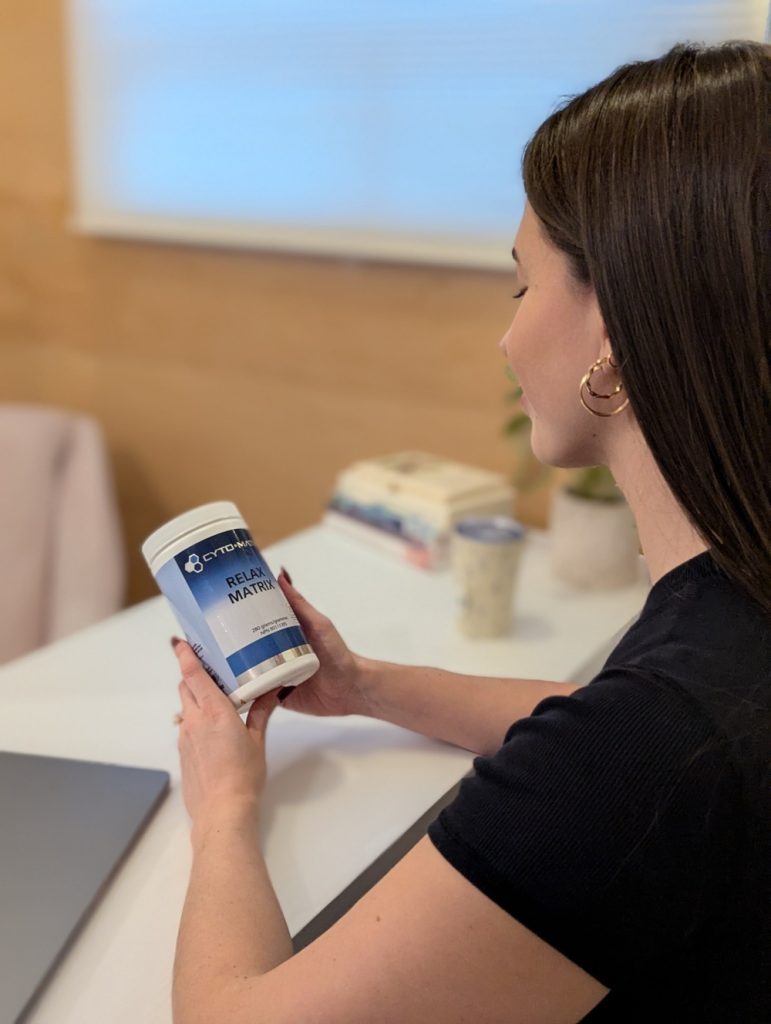
A naturopathic approach utilizes several pillars to restore balance. By focusing on holistic acne treatments, we support the body’s ability to heal itself without relying on harsh chemicals. This process focuses on the psychological benefit of feeling in control of one’s health and reducing the anxiety associated with chronic skin issues.
- Targeted Herbal Support
Botanicals like Saw Palmetto can help modulate the endocrine system. These herbs work by inhibiting the enzymes that convert testosterone into more potent forms. Using herbal remedies for hormonal acne provides a gentle way to nudge the body back into a state of equilibrium. - Optimizing Detoxification
The liver is responsible for breaking down and removing spent hormones from the blood. If the liver is sluggish, these chemicals can recirculate and cause issues. Supporting liver health for clear skin through adequate hydration, bitter greens, and specific nutrients ensures that excess waste is moved out efficiently, supporting both skin clarity and hormonal balance. - Gut Microbiome Diversification
There is a direct link between the gut and the skin, often called the gut-skin axis. An imbalanced microbiome can lead to systemic inflammation that shows up on the face. Supporting the gut with pre and probiotics may help calm the immune system and reduce the severity of inflammatory breakouts. - Anti-Inflammatory Nutritional Foundations
Food acts as information for your cells. Reducing dairy and refined sugars while increasing omega-3 fatty acids helps cool the body’s inflammatory fire. A naturopathic diet for acne focuses on whole foods that stabilize insulin and provide the building blocks for healthy, resilient skin tissue. - Stress Management and Mental Health
Chronic skin issues often lead to social withdrawal and low self-esteem. Incorporating mindfulness or adaptogenic herbs helps the nervous system stay calm. Focus on mental health and acne is essential because a calm mind leads to a calmer body, which eventually reflects on the skin surface. - Supplementing Essential Micronutrients
Zinc, Vitamin A, and Vitamin D play massive roles in how skin cells turn over and how the immune system responds to bacteria. Deficiencies in these areas are common in Canada due to our climate. Nutritional supplements for clear skin fill these gaps and provide the necessary tools for repair.
Rebalancing your complexion is a journey that involves looking deep within the body’s systems. By shifting the focus from the surface to the internal environment, you can achieve a sense of peace and confidence that transcends mere appearance. This approach supports your mental health by removing the daily stress of unpredictable breakouts and replacing it with a predictable, healthy rhythm. Naturopathic care offers a sustainable path to feeling comfortable in your skin through science-based, natural interventions.
If you are ready to address the root causes of your skin concerns and support your overall well-being, professional guidance is available. Taking the first step toward internal balance can significantly improve your quality of life and self-regard. To begin your journey toward lasting health, reach out to The Calm on Dundas, contact at (647) 932-2561.